|
Why Klotho mattersKlotho is a protein produced primarily in the kidneys and brain. Research suggests it plays a meaningful role in longevity, metabolic health, and protection against age-related disease. Klotho exists in two forms:
Membrane-bound Klotho, anchored to cells in the kidney tubules and the brain’s choroid plexus
Soluble Klotho, which is released into the bloodstream and circulates throughout the body. Once in circulation, soluble Klotho acts like a signaling molecule, reaching organs like the heart, lungs, muscles, and skin. Even tissues that don’t produce Klotho can respond to it via receptors, helping reduce inflammation and oxidative stress.
|
|
|
Try it - 7 days free — Start scanning today
A two-way street: minerals, lifestyle, and Klotho
Klotho helps regulate mineral balance, but your diet and lifestyle also influence how much Klotho your body produces. The relationship is truly bidirectional: Klotho acts as the “manager,” helping control key minerals in the body, while the levels of those same minerals signal your genes to produce more or less Klotho. Think of it as a sensitive biological feedback loop.
Key influences on Klotho levels:
Phosphate overload: Diets high in phosphate (common in processed foods, sodas, and preservatives) can suppress Klotho production.
Magnesium status: Low magnesium is associated with reduced Klotho levels. Supporting magnesium through diet and lifestyle is key. The ocean is a massive reservoir of ionic magnesium, which is the most bioavailable (absorbable) form of the mineral. If you live near the ocean, take advantage.
The "Grounding" Effect: Walking barefoot in the sand and water (grounding) is thought to lower cortisol levels. Since chronic stress and high cortisol are major Klotho depleters, the relaxation from a beach walk may protect the Klotho you already have.
Vitamin D balance: The relationship is reciprocal—Klotho helps regulate vitamin D, and adequate vitamin D levels can stimulate Klotho production.
Lifestyle factors: Chronic stress, poor sleep (under 7–9 hours), dehydration, and excessive alcohol intake are all linked to lower Klotho levels.
Exercise: Regular physical activity supports the body’s natural production.
Bottom line: your daily choices help “fund” your Klotho levels. Higher levels have been associated with healthier aging and increased lifespan, with mineral balance and adequate vitamin D playing central roles.
Support Klotho naturally:
While no foods contain Klotho directly, certain habits and nutrients may support its expression:
Caloric moderation & fasting: May activate longevity-related pathways that upregulate Klotho
Polyphenol-rich foods: Berries, green tea, and dark chocolate help reduce oxidative stress
Omega-3 fatty acids: Found in fatty fish, flaxseeds, and walnuts—support cardiovascular and kidney health
Chlorella: A nutrient-dense algae that may support metabolic and detoxification pathways linked to Klotho function
Track what matters
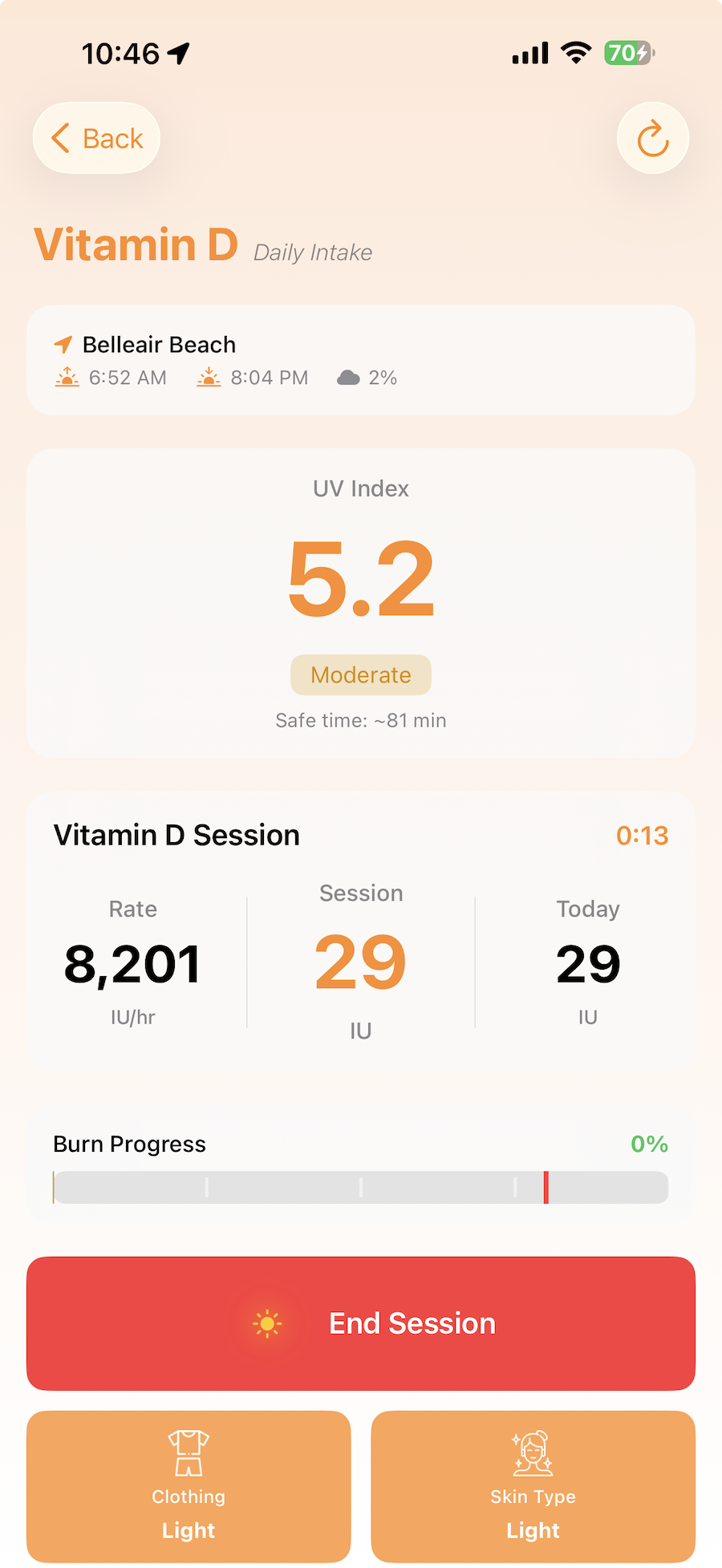
The Healthy Pantry App includes a Body Map with a Vitamin D tracker—monitoring sun exposure and estimating IU levels automatically.
Explore more at HealthyPantry.App or download the app to start making more informed choices while you shop.
|
✅ Habits that raise Klotho
• Move daily - 20–60 min brisk walking, cycling, or light strength training
• Eat real food - fruits, veggies, fermented foods (sauerkraut, kimchi, yogurt, kefir)
• Sensible sun exposure for vitamin D
• Quality sleep & lower stress
• Nurture close relationships
|
⚠️ Things that suppress it
• Smoking
• Heavy alcohol use
• Very low-carb diets
• Chronic stress
• Sedentary lifestyle
• Highly processed foods
|
|